

The good news is most issues are predictable. Once a cleaner understands the building, traffic patterns, and the client’s expectations, the “hard parts” become repeatable routines.
What makes office cleaning in Surry Hills different from other suburbs?
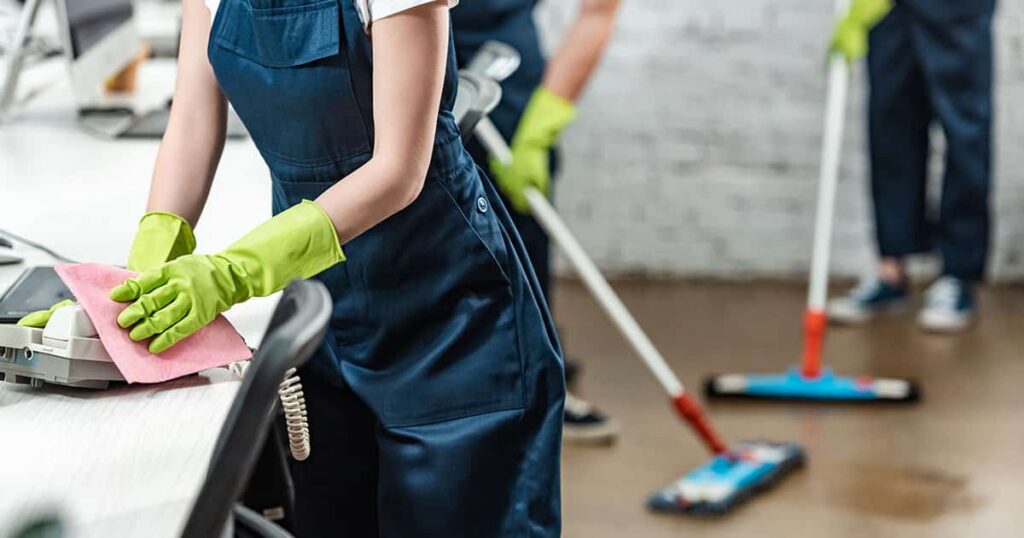
It is often tighter, busier, and more shared. Many offices have limited storage, narrow stairwells, small lifts, and high foot traffic from nearby hospitality venues.
For office cleaning Surry Hills, they also deal with more mixed-use buildings, meaning cleaners may need to coordinate with strata rules, shared loading zones, and noise restrictions. Timing matters more, especially for after-hours access and alarm procedures.
Why do high-traffic entryways get dirty so quickly?
Because they act like grit funnels. People bring in dust, street debris, and moisture from pavements, construction zones, and nearby main roads, and it gets ground into flooring fast.
If the entry is not managed, the whole office feels dirty even when desks are spotless. Regular mat maintenance, vacuuming edges, and spot mopping are usually the difference between “presentable” and “worn down.”
How do kitchens and break rooms become the biggest hygiene risk?
Because food residue builds up silently. Shared fridges, benches, sinks, and microwaves collect spills, oils, and crumbs that attract pests and create odours.
The challenge is that staff usage is inconsistent, so mess appears right after a clean. Clear kitchen rules help, but cleaners still need a checklist approach: touchpoints, splashbacks, bin areas, and the floor under movable items, following workplace kitchen hygiene and contamination prevention practices to reduce cross-contamination risks in shared food areas.
What are the most common restroom cleaning problems?
Restrooms are a combination of high touch, high moisture, and strong odour risk. Soap scum, hard water marks, and grout staining can make facilities look unclean even when they are sanitised.
They also tend to run out of consumables at the worst times. A reliable routine covers disinfection of touchpoints, deep attention to urinals and bases, ventilation checks, and simple stock control for paper, soap, and liners.
Why is dust such a constant issue in open-plan offices?
Because air movement spreads it everywhere. HVAC vents, fans, and foot traffic push dust onto monitors, ledges, skirting boards, and desk partitions, where it becomes visible quickly.
In Surry Hills, nearby construction and busy streets can add fine particles that settle daily. A cleaner typically needs a rotation that includes low and high dusting, not just the obvious surfaces.
How do meeting rooms get overlooked between cleans?
Because they can look tidy while still being dirty. Fingerprints on glass, smudges on screens, crumbs in chair seams, and dusty table edges often do not show up until a client visit.
The challenge is usage spikes. If they host frequent meetings, a weekly clean is rarely enough. Many offices solve this by prioritising quick touch-up resets, especially for glass, bins, and high-touch items.
What makes bin and waste management harder in busy offices?
Because bins fill unevenly and smells travel. Kitchen waste, coffee cups, and food packaging create odours that spread into nearby work areas, particularly in smaller floorplans.
Recycling contamination is another issue. If staff mix waste, cleaners spend extra time sorting or rebagging to avoid leaks and pests. Consistent liners, scheduled removal, and attention to bin lids and surrounds usually prevents most problems through workplace waste management and recycling contamination prevention practices.
How do stains on carpets and upholstery become “permanent” so fast?
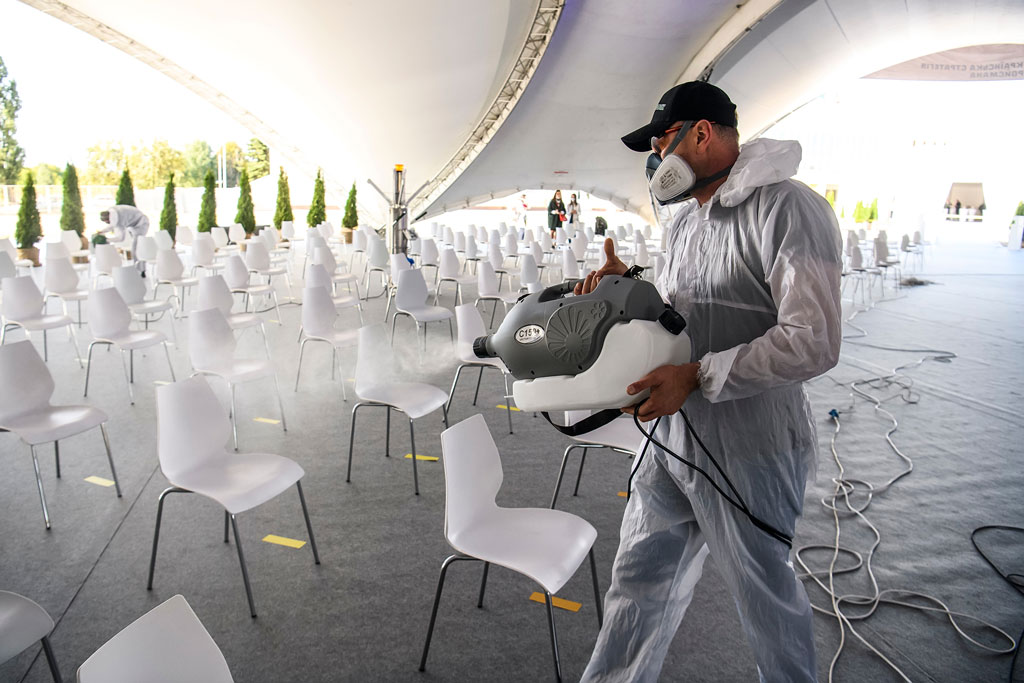
Because delays lock them in. Coffee, milk, and sugary drinks can set quickly, and repeated foot traffic pushes spills deeper into fibres. See commercial carpet and upholstery cleaning for businesses to understand how professional cleaning helps prevent stains from becoming permanent and protects fabric and flooring over time.
Many offices in Surry Hills use carpet tiles and fabric chairs, which are practical but unforgiving if stains are ignored. A simple spill-response process and periodic deep cleaning keeps materials looking professional for longer.
Why are glass and windows so hard to keep looking clean?
Because smears are more visible than dirt. Light from large windows, glass partitions, and glossy surfaces highlights fingerprints and streaks, especially in modern fit-outs.
Another challenge is access. Internal glass is easier, but external windows may require building permission, height safety controls, or specialist equipment. Most offices benefit from frequent internal glass detailing and scheduled external cleans.
What causes “mystery” odours even when the office looks clean?
It is usually a build-up in hidden zones. Bins, drains, fridge spills, damp mop heads, and air-conditioning filters are common sources that do not show up visually.
Soft furnishings can also hold smells, especially near kitchens. A cleaner typically tackles this with targeted deodorising, proper drying practices, and periodic deep cleans of drains, upholstery, and overlooked corners.
How do access, security, and building rules create cleaning delays?
Because cleaners often work around constraints. Key pick-up systems, lift bookings, alarm codes, and restricted loading areas can shorten cleaning time or force work into less efficient sequences.
In shared buildings, they may need to avoid certain times due to noise policies or neighbour complaints. Clear site instructions, an agreed scope, and a documented access process reduce missed tasks and last-minute confusion.
What is the biggest mistake offices make with cleaning expectations?
They assume “general cleaning” covers everything. In reality, bathrooms, kitchens, floors, and touchpoints may be handled well while items like vents, skirting, behind doors, and high ledges slowly degrade.
The fix is simple: define priorities, set a realistic frequency, and use a rotating deep-clean schedule. When expectations match time and budget, office cleaning in Surry Hills becomes far more consistent and easier to manage.
FAQs (Frequently Asked Questions)
What challenges make office cleaning in Surry Hills unique compared to other areas?
Office cleaning in Surry Hills is uniquely challenging due to tighter spaces, higher foot traffic, and more shared facilities. Many offices are located in older, mixed-use buildings with limited storage, narrow stairwells, small lifts, and proximity to busy hospitality venues. Cleaners must navigate strata rules, shared loading zones, noise restrictions, and coordinate access times carefully.
Why do high-traffic entryways in Surry Hills offices require frequent cleaning?
High-traffic entryways act like grit funnels where dust, street debris, and moisture from nearby pavements and construction get tracked inside. This causes flooring to appear dirty quickly even if desks are spotless. Regular maintenance including mat cleaning, vacuuming edges, and spot mopping is essential to keep entryways presentable and prevent a worn-down look.
How can kitchens and break rooms pose hygiene risks in busy offices?
Kitchens and break rooms accumulate food residue silently on shared fridges, benches, sinks, and microwaves. Spills, oils, and crumbs attract pests and cause unpleasant odors. Since staff usage varies throughout the day, mess can appear right after cleaning. A checklist approach focusing on touchpoints, splashbacks, bin areas, and floors under movable items helps maintain hygiene effectively.
What are common restroom cleaning issues in Surry Hills offices?
Restrooms face challenges from high touch surfaces combined with moisture leading to soap scum, hard water marks, and grout staining that affect appearance despite sanitization. Consumables like paper towels and soap often run out unexpectedly. Reliable routines include disinfecting touchpoints thoroughly, deep cleaning urinals and bases, checking ventilation, and managing stock levels for supplies consistently.
Why is dust a persistent problem in open-plan office environments?
Dust spreads quickly due to air movement from HVAC vents, fans, and foot traffic settling on monitors, ledges, skirting boards, and desk partitions. In Surry Hills specifically, nearby construction sites and busy streets contribute fine particles that accumulate daily. Effective cleaning requires regular rotation of low and high dusting beyond just obvious surfaces to maintain cleanliness.
How do access restrictions impact office cleaning efficiency in shared buildings?
Cleaners often face delays due to key pick-up systems, lift bookings, alarm codes, restricted loading zones, noise policies, or neighbour complaints in shared or mixed-use buildings common in Surry Hills. These constraints can shorten available cleaning time or force inefficient work sequences. Clear site instructions with agreed scopes and documented access processes help minimize missed tasks and confusion.

